
Resources
This library is built for procurement and engineering alignment, not general marketing reading. Each article includes decision criteria, risk controls, and practical actions you can reuse in real RFQ and validation workflows.
Read articles in decision order so your team moves from magnet selection to RFQ quality and then to customization governance without missing critical handoff details.
| Project Stage | Recommended Article | Decision Output |
|---|---|---|
| 1. Select the magnetic architecture | Magnetization Direction Selection for Sensor Magnets | Pole direction, sensor axis, air-gap, and magnetization notes for the drawing. |
| 2. Prepare the RFQ package | Sensor Magnet RFQ Checklist for OEM Buyers | Supplier-ready RFQ fields, quote comparison scorecard, cost drivers, and handoff checklist. |
| 3. Approve samples and repeat lots | Sensor Magnet Failure Modes and Incoming Inspection Plan | Risk-based inspection gates, report structure, and corrective-action questions. |
You can also filter by buyer intent in our product engineering, factory quality, and buyer guides categories.
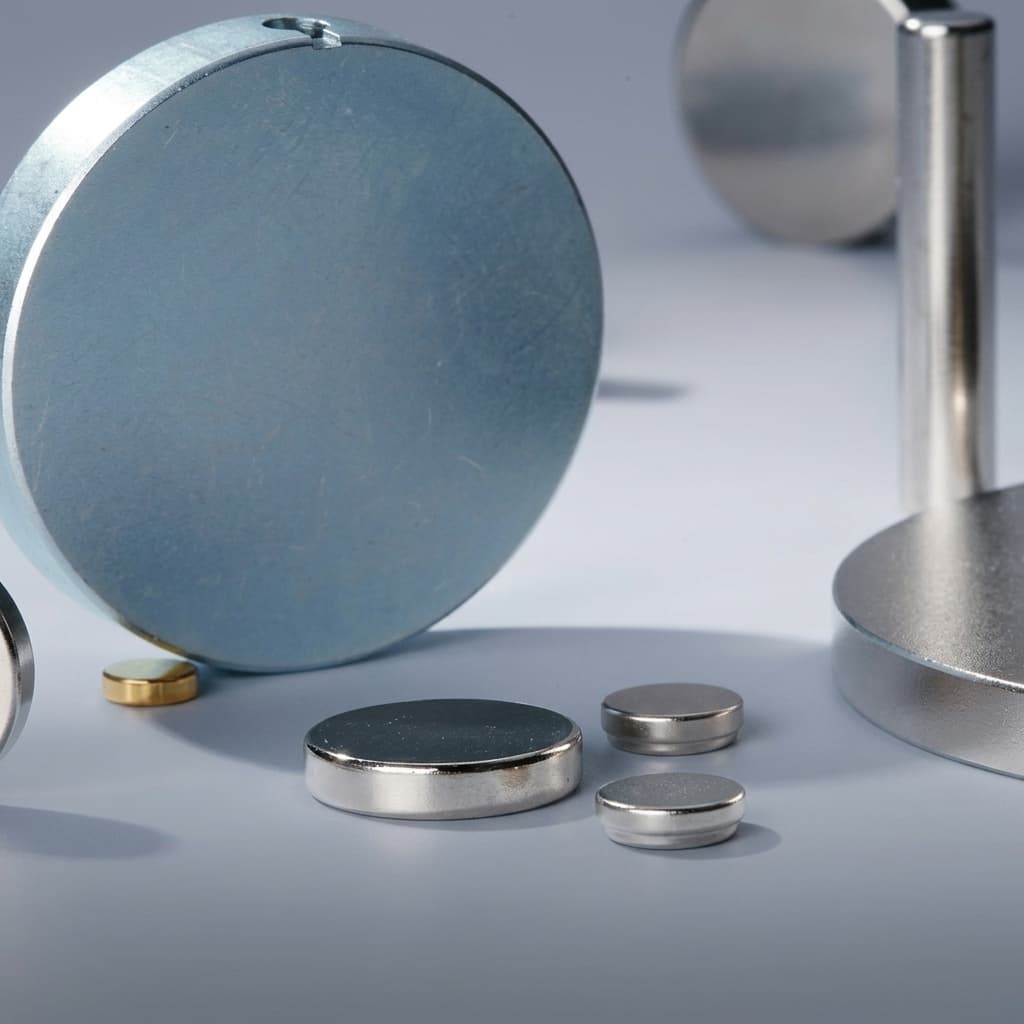
A procurement and engineering guide to understanding the price delta between automotive-grade and industrial sensor magnets. Learn about PPAP, IATF 16949 traceability, and Zero Defect policies.

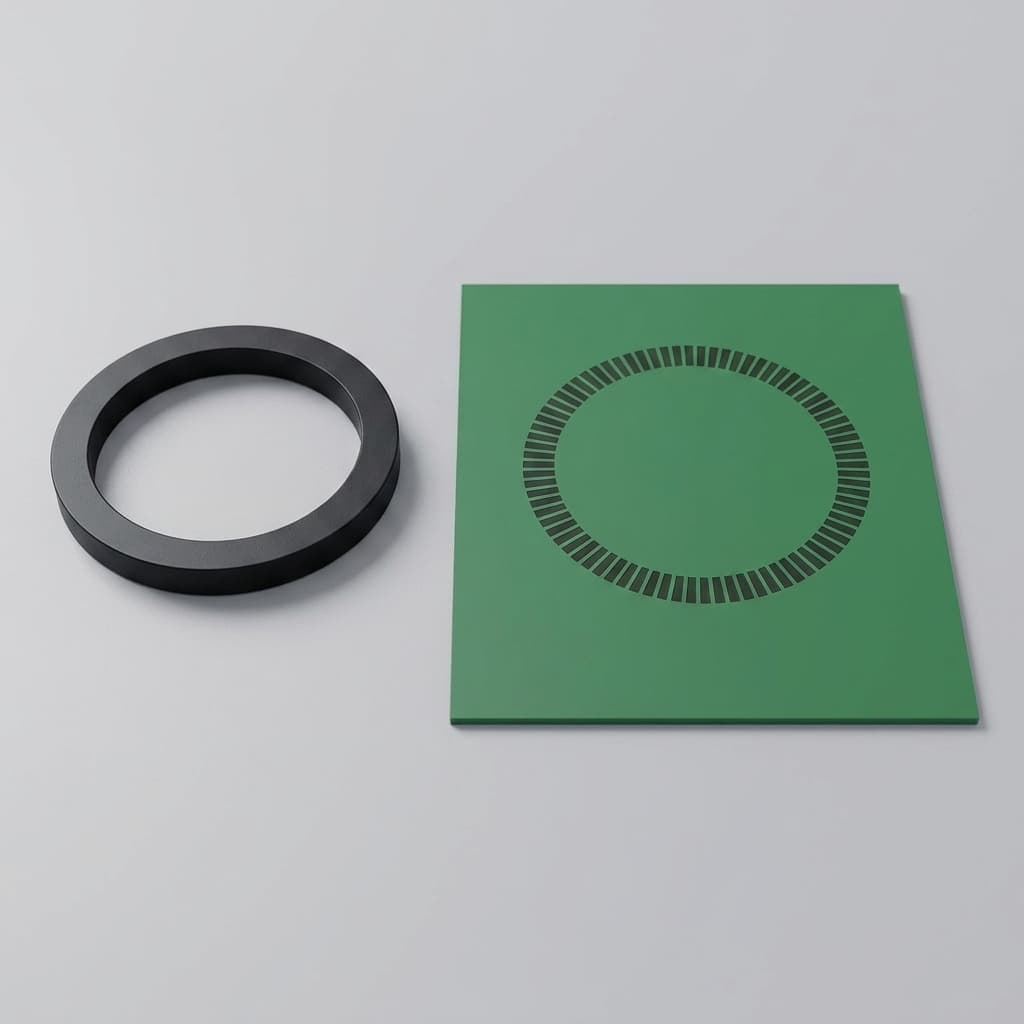
Compare TMR vs Hall Effect sensor magnets for RFQ specs, field limits, materials, tolerances, and sourcing risk. Use the checklist to source target magnets.
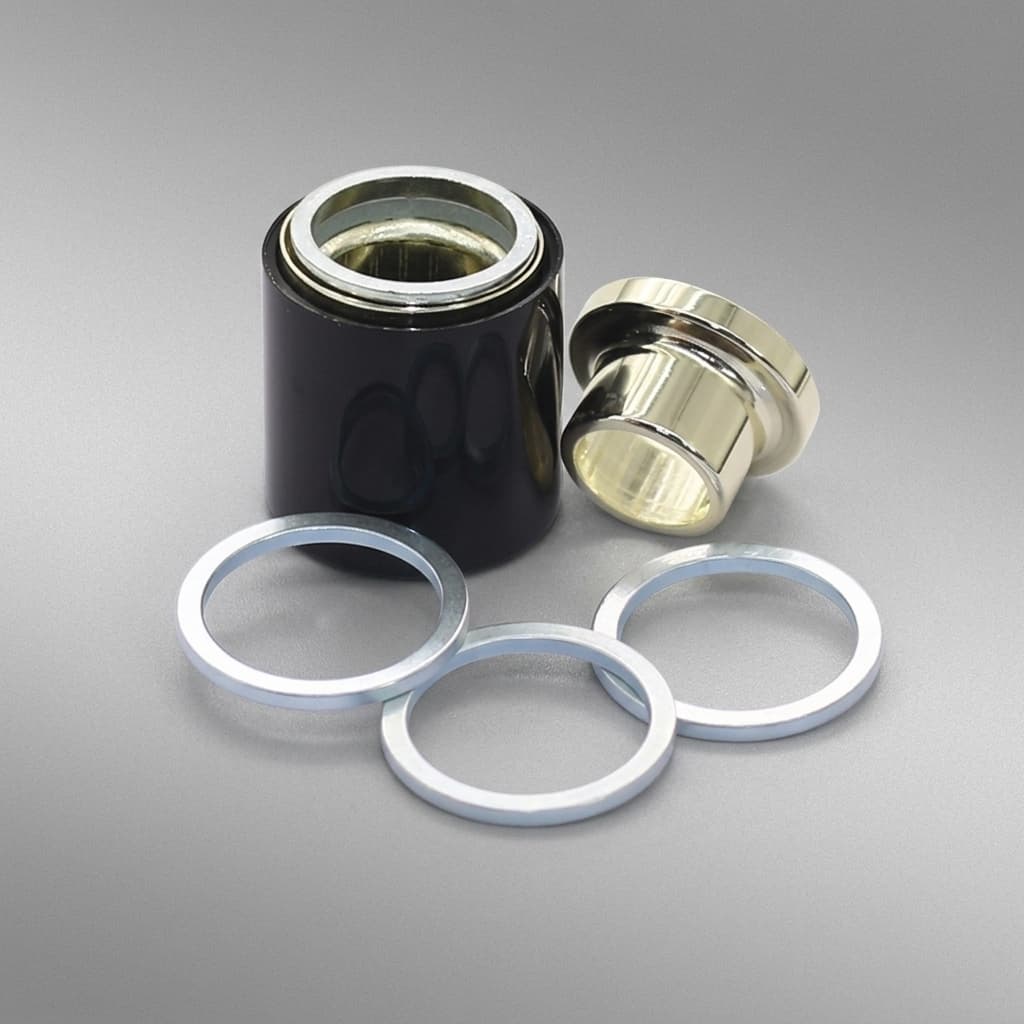
An engineering guide to selecting magnets for ISO 11452-8 compliant stray-field immune position sensors. Learn why upgrading your sensor IC often requires switching from a 2-pole to a 4-pole magnet.
ASIL-D sensor magnet guide for ISO 26262 programs: compare materials, thermal drift, stray-field immunity, validation evidence, and RFQ controls.

A comprehensive procurement and engineering guide comparing bonded and sintered NdFeB magnets for rotary encoders, covering magnetic strength, tooling costs, and assembly yield.
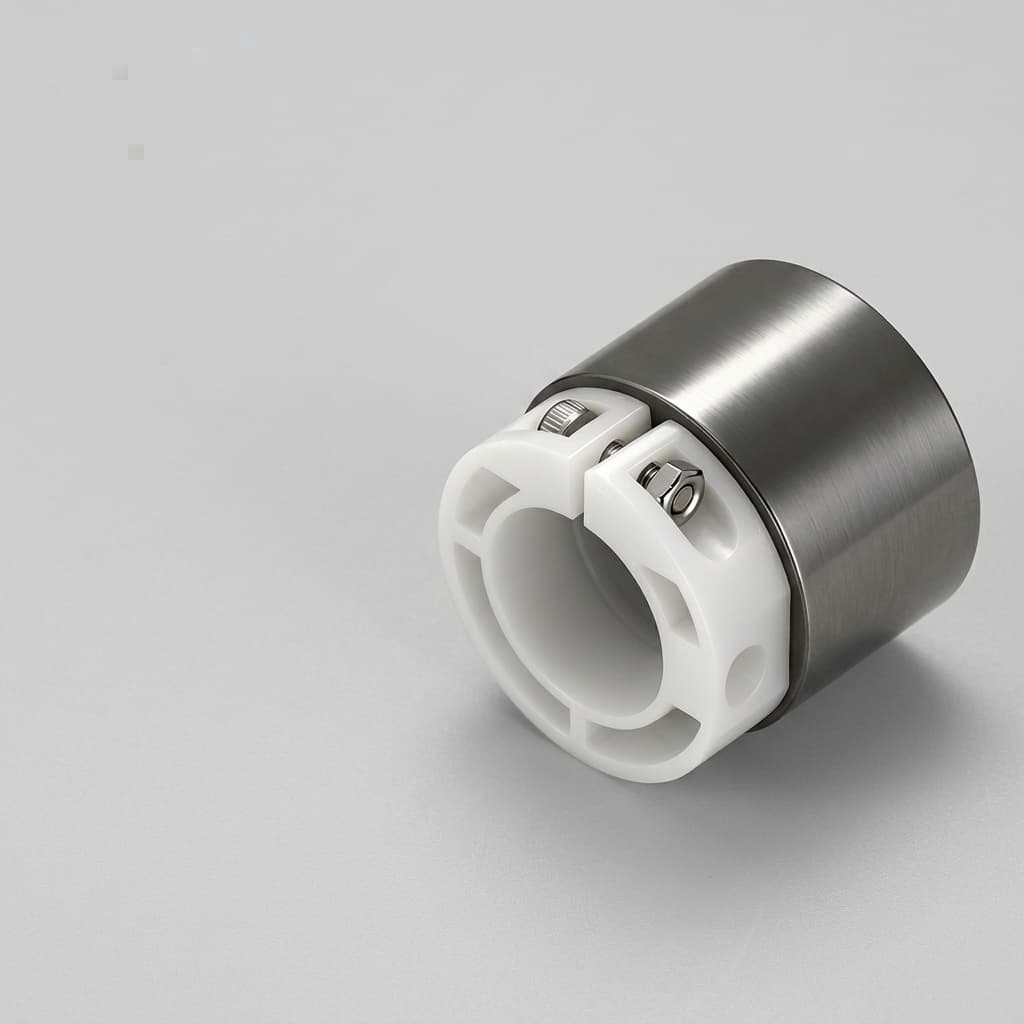
An engineering and procurement guide comparing the three most common coatings for NdFeB sensor magnets. Covers salt spray resistance, thickness tolerances, failure modes, and cost.